

Curling leaves on tomato plants can be a sign of various issues that may affect the health and yield of your plants. Identifying the cause is crucial for effective treatment and prevention.
Common reasons for curling include environmental stress, pest infestations, or nutrient deficiencies. Observing your plants closely can help determine the best course of action.
Understanding Curling Tomato Leaves
Curling leaves on tomato plants often signal underlying issues that could impact both the health and yield of your garden.
Identifying the root cause is essential for effective treatment and prevention.
Common culprits behind this phenomenon include environmental stress, pest infestations, or nutrient deficiencies.
By observing your plants closely, you can determine the best course of action to restore their vitality.
Causes and Solutions for Curling Tomato Leaves
Several factors contribute to the curling of tomato leaves, including inconsistent watering, high temperatures, and pest invasions such as aphids.
Addressing these issues swiftly can significantly enhance plant health and growth.
Environmental stress often arises from temperature fluctuations, which can lead to curling.
Inconsistent watering practices can also exacerbate the problem, making it crucial to maintain a regular watering schedule.
Environmental Stress and Temperature Fluctuations
Temperature changes can create stress for tomato plants, leading to visible curling of the leaves.
Extreme heat can be particularly damaging, causing the leaves to curl upwards as a protective mechanism.
To mitigate this, consider providing shade during peak heat hours.
This simple adjustment can help maintain a stable environment for your plants.
Pest Infestations: A Hidden Threat
Pests like aphids and spider mites can wreak havoc on tomato plants, often leading to curling leaves.
Regular inspections for these pests are vital for early detection and treatment.
Utilizing insecticidal soap or neem oil can effectively manage infestations and protect your plants from further damage.
Taking proactive measures can safeguard your garden’s health.
Nutrient Deficiencies and Soil Health
Nutrient deficiencies, particularly in nitrogen or potassium, can also manifest as curling leaves.
Testing your soil for nutrient levels is a wise step to ensure your plants receive adequate nourishment.
If deficiencies are detected, amending the soil with the appropriate fertilizers can help restore balance and promote healthy growth.
Healthy soil is the foundation of a thriving garden.
Preventing Viral Infections
Viral infections can severely impact tomato plants, leading to curling and other symptoms.
Removing affected leaves promptly is crucial to prevent the spread of disease.
Practicing crop rotation and maintaining overall garden hygiene can further reduce the risk of viral infections.
These preventive measures contribute to a healthier growing environment for your tomatoes.
Causes and Solutions for Curling Tomato Leaves
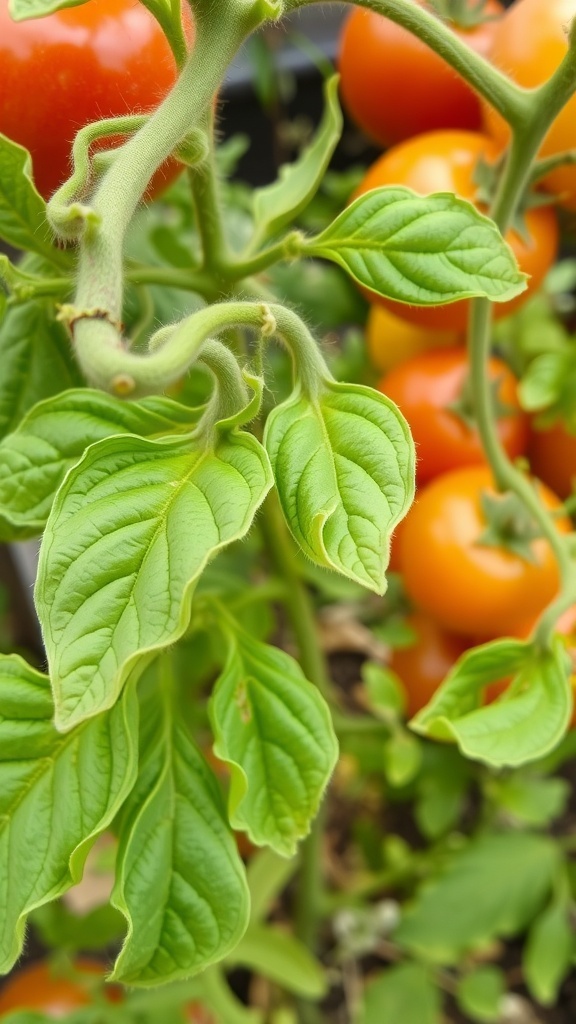
Curling tomato leaves can result from factors such as inconsistent watering, high temperatures, or exposure to pests like aphids. Addressing these issues promptly can help restore plant health and improve growth.