

Lemongrass is a tropical herb known for its citrus flavor and aroma, commonly used in Asian cuisine. It adds a refreshing note to dishes and is often featured in soups, curries, and teas.
This herb is not only valued for its culinary uses but also for its potential health benefits, including anti-inflammatory and antioxidant properties.
Understanding Lemongrass
Lemongrass is a tall, perennial grass that flourishes in warm climates, making it a staple in many tropical regions. This herb is often found in fresh, dried, or oil forms, with the stalks being the most utilized part in cooking.
Its unique citrus flavor and aroma make it a favorite in various culinary applications, particularly in Asian cuisine. The zesty notes of lemongrass can elevate dishes, providing a refreshing contrast to richer ingredients.
Choosing Fresh Lemongrass
When selecting fresh lemongrass, look for firm stalks that are pale green and emit a strong citrus scent. The quality of the stalks can significantly impact the flavor profile of your dishes.
Once you’ve chosen the perfect stalks, it’s essential to prepare them properly. Trim the ends and remove any tough outer layers to ensure that you’re left with the tender, flavorful core.
Cooking with Lemongrass
To maximize the flavor of lemongrass in your cooking, slice or bruise the stalks before adding them to your recipes. This technique helps release the essential oils and enhances the herb’s aromatic qualities.
Lemongrass is versatile and can be incorporated into soups, curries, marinades, and even teas. Its bright flavor pairs well with a variety of ingredients, making it a valuable addition to many dishes.
Storing Lemongrass
Proper storage is key to maintaining the freshness of lemongrass. For short-term storage, wrap fresh stalks in a damp paper towel and place them in the refrigerator. This method helps retain moisture and flavor.
If you have excess lemongrass, consider freezing it for longer storage. Cut the stalks into manageable pieces and place them in an airtight container or freezer bag. This way, you can enjoy the herb’s vibrant flavor even when it’s out of season.
Health Benefits of Lemongrass
Beyond its culinary uses, lemongrass is also recognized for its potential health benefits. It contains compounds that may possess anti-inflammatory and antioxidant properties, contributing to overall well-being.
Incorporating lemongrass into your diet can be a delightful way to enjoy its flavor while reaping its possible health advantages. Whether in a soothing tea or a hearty soup, this herb can be both a tasty and beneficial addition to your meals.
Conclusion
With its vibrant flavor and numerous uses, lemongrass stands out as a remarkable herb in the kitchen. Whether you’re preparing a traditional Asian dish or experimenting with new recipes, this herb can bring a refreshing twist to your culinary creations.
Embrace the versatility of lemongrass and let its unique flavor enhance your cooking experience.
Understanding Lemongrass
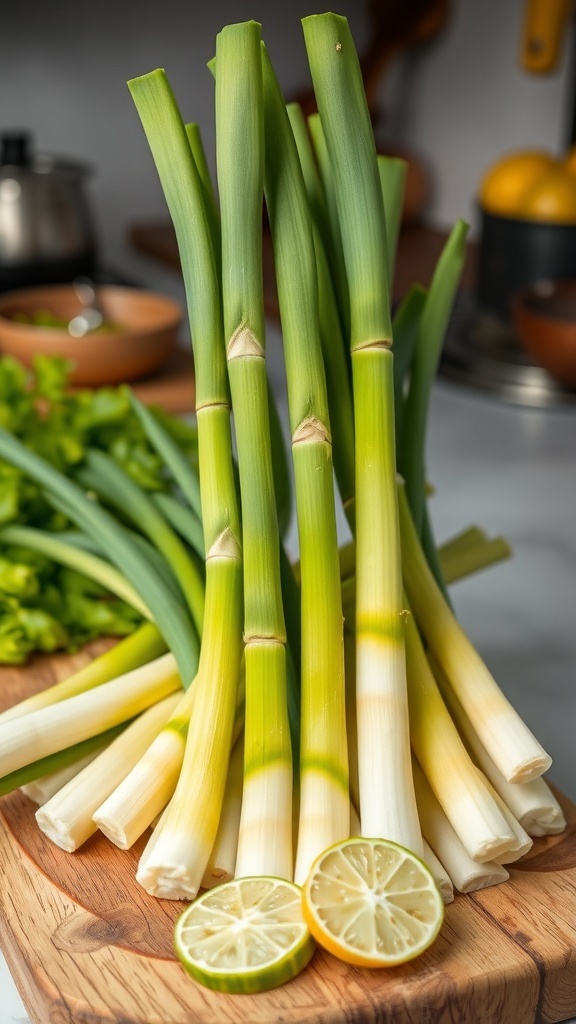
Lemongrass is a tall, perennial grass that thrives in warm climates. It is typically sold fresh, dried, or as an oil. The stalks are the most commonly used part, providing a zesty flavor that enhances various recipes.
Ingredients
- Fresh lemongrass stalks
- Dried lemongrass
- Lemongrass essential oil
Instructions
- Select fresh lemongrass stalks: Choose firm, pale green stalks with a strong citrus scent.
- Prepare the stalks: Trim the ends and remove the tough outer layers before using.
- Use in cooking: Slice or bruise the stalks to release their flavor, and add to soups, curries, or marinades.
- Store properly: Keep fresh lemongrass in the refrigerator wrapped in a damp paper towel or freeze for longer storage.
Cook and Prep Times
- Prep Time: 5 minutes
- Cook Time: Varies based on recipe
- Total Time: Varies based on recipe
- Servings: Varies based on use
- Calories: Minimal calories per serving
- Fat: 0g
- Protein: 0g
- Carbohydrates: 1g