

Lemongrass is a versatile and aromatic plant commonly used in cooking and herbal remedies. It thrives in warm climates and can be grown both indoors and outdoors, making it a popular choice for home gardeners.
This guide provides essential information on how to grow and care for lemongrass, including its ideal growing conditions, watering needs, and pest management.
Understanding Lemongrass
Lemongrass is a popular herb known for its aromatic properties and culinary uses.
It thrives in warm climates and can be grown in various settings, making it a favorite among gardeners.
The plant features tall, slender green stalks that can reach impressive heights, adding a vibrant touch to any garden.
Ideal Growing Conditions
To cultivate healthy lemongrass, it is essential to provide the right environment.
This plant flourishes in full sun, requiring at least six hours of direct sunlight daily.
Well-drained soil is crucial for preventing root rot, so ensure that the planting area has good drainage.
Regular watering is necessary to keep the soil moist, but avoid waterlogging, which can harm the plant’s roots.
During the growing season, a balanced fertilizer applied every 4-6 weeks can promote robust growth.
Maintenance Tips for Healthy Growth
Pruning is an important aspect of lemongrass care.
Regularly trim the plant to encourage bushier growth and remove any dead or yellowing leaves.
This not only keeps the plant looking tidy but also enhances its overall health.
Be vigilant for pests such as aphids and spider mites.
If you notice any signs of infestation, treat the plant promptly with insecticidal soap to protect its vitality.
Harvesting Lemongrass
Knowing when and how to harvest lemongrass is key to enjoying its flavor.
Stalks should be at least 1/4 inch thick before harvesting.
Cut them at the base, ensuring that some stalks remain to continue growing.
Freshly harvested lemongrass can be used in a variety of dishes or stored in the refrigerator for up to two weeks.
This versatility makes it a valuable addition to your culinary repertoire.
Creating a Lively Garden Atmosphere
A garden filled with lemongrass and other herbs creates a vibrant and healthy atmosphere.
The tall green stalks of lemongrass not only provide culinary benefits but also enhance the visual appeal of your garden.
Pairing it with other herbs can create a lush, aromatic environment.
Incorporating a variety of plants can attract beneficial insects and promote a balanced ecosystem in your garden.
This diversity contributes to a thriving garden that is both beautiful and productive.
Conclusion
With the right care and attention, lemongrass can thrive in your garden, offering both aesthetic and culinary rewards.
By following proper growing techniques and maintenance tips, you can enjoy the benefits of this aromatic herb for years to come.
Whether used in cooking or as part of a vibrant garden display, lemongrass is a delightful addition to any home gardener’s collection.
Growing and Caring for Lemongrass
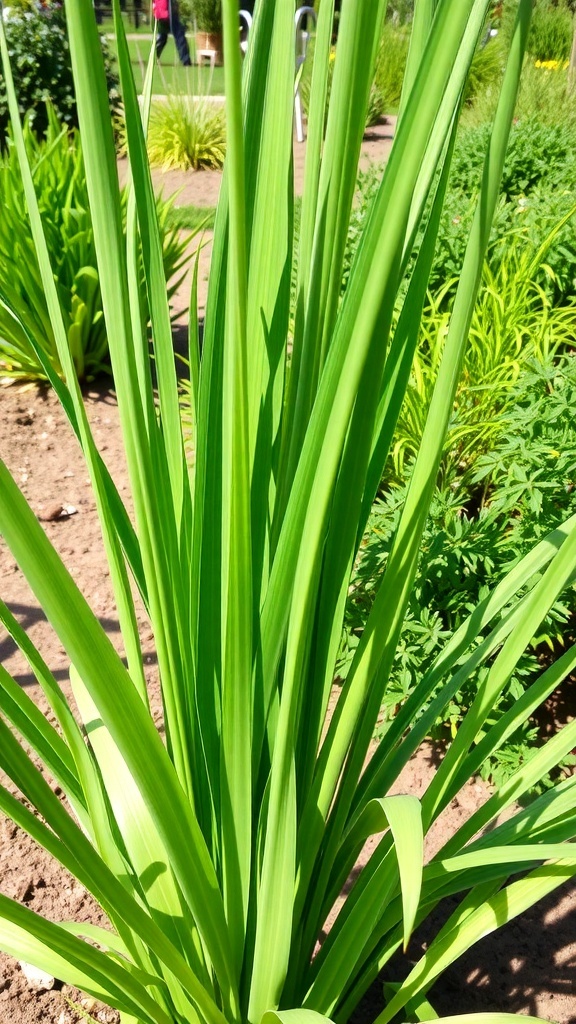
Lemongrass requires full sun and well-drained soil to flourish. It can grow up to 3-4 feet tall and is typically harvested for its fragrant stalks, which are used in various dishes. Regular watering and occasional fertilization will help maintain healthy growth.